


🌿 Rethinking Travel: How Tourism Is Adapting to a Greener Future
A Guide to Sustainable Exploration for the Modern Traveler
In recent years, the global tourism industry has undergone a profound transformation. As climate change, over-tourism, and environmental degradation become pressing concerns, travelers and destinations alike are reimagining what it means to explore the world responsibly. The shift isn’t just about reducing carbon footprints—it’s about creating meaningful, low-impact experiences that benefit both visitors and local communities.

From the rice paddies of Bali to the bike lanes of Copenhagen, sustainable travel is no longer a niche—it’s a movement. And at the heart of this movement lies a simple truth: how we move matters.
This guide dives into the eco-friendly ways to explore destinations—especially Bali—using public transportation, bicycles, and smart travel choices that align with a greener future.
 |
Public transport systems are evolving to meet the needs of both locals and tourists, offering cleaner, more efficient ways to navigate cities and regions.
1. Reduced Carbon Emissions
- Buses, trains, and trams carry large numbers of passengers, drastically lowering per-person emissions
- Electric and hybrid fleets are increasingly common in eco-forward cities like Singapore, Tokyo, and Denpasar
2. Accessibility and Coverage
- Integrated networks connect airports, city centers, and tourist hotspots
- Apps like Moovit and Google Maps make route planning seamless, even for first-time visitors
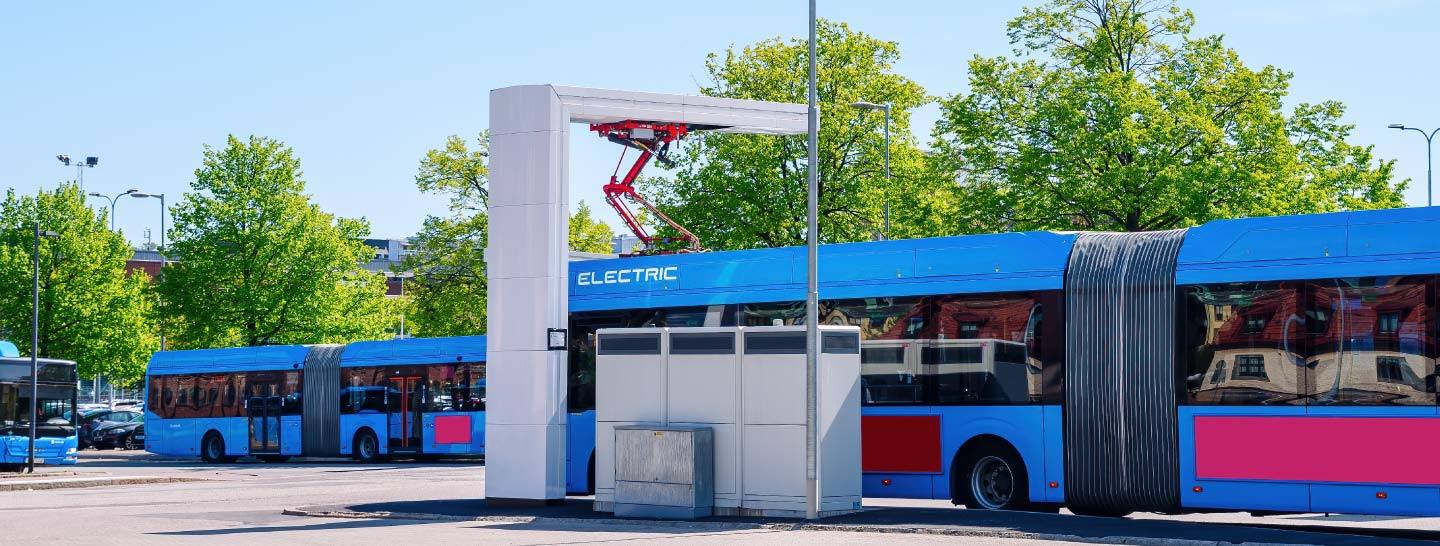 |
| Electric buses: The sustainable public transport |
- Day passes and travel cards offer unlimited rides at low cost
- Ideal for long stays or multi-destination trips
4. Cultural Connection
- Riding alongside locals offers a glimpse into daily life
- Encourages spontaneous interactions and authentic experiences
🚴♂️ Bicycles: A Personal, Planet-Friendly Way to Explore
Cycling is gaining popularity worldwide—not just as a sport, but as a lifestyle and travel choice.
1. Zero Emissions
- No fuel, no pollution—just clean, human-powered movement
- Perfect for nature trails, beachside roads, and village paths
2. Health and Wellness
- Boosts physical fitness and mental clarity
- Reduces stress and enhances mood—especially in scenic environments like Bali’s countryside
3. Freedom and Flexibility
- Navigate narrow streets, hidden alleys, and off-the-beaten-path locations
- Stop anytime to take photos, rest, or explore local gems
4. Local Immersion
- Feel the rhythm of the place—smells, sounds, and sights come alive
- Discover local markets, temples, and artisan shops often missed by cars
🔄 Multimodal Travel: Combining Public Transport and Bicycles
Smart travelers blend modes of transport to maximize efficiency and minimize impact.
1. Seamless Integration
- Take a train to a central hub, then rent a bike to explore nearby attractions
- Many stations offer bike parking or rental kiosks
2. Bike-Sharing Systems
- Cities like Ubud and Sanur offer bike-sharing apps and QR-code rentals
- Affordable, convenient, and perfect for short trips
3. Travel Light
- No need to bring your own bike—just rent and ride
- Great for spontaneous adventures and flexible itineraries
🧭 Smart Tips for Eco-Friendly Travel
 |
| Planning an Eco-Friendly Vacation |
1. Plan Ahead
- Use digital maps and apps to find bike paths and transit routes
- Check schedules and peak hours to avoid crowds
2. Choose Green Accommodations
- Look for hotels with bike rentals, solar energy, or water-saving systems
- Proximity to public transport is a plus
3. Support Local and Sustainable Businesses
- Eat at farm-to-table restaurants and shop at eco-conscious markets
- Choose experiences that give back to the community
4. Respect Local Norms
- Follow traffic rules and cultural etiquette
- Keep noise levels low and avoid littering
🆕 Additional Items to Consider
Slow Travel Philosophy
- Spend more time in fewer places
- Build deeper connections with people and nature
Digital Tools for Sustainable Travel
- Apps like HappyCow (vegan dining), Ecosia (eco search engine), and GreenTripPlanner
- Use e-tickets and digital guides to reduce paper waste
Nature-Based Activities
- Opt for hiking, snorkeling, birdwatching, or volunteering in conservation projects
- Avoid motorized tours in sensitive ecosystems
Low-Impact Excursions
- Choose kayaking over jet skis, walking tours over bus tours
- Ask operators about their sustainability practices



0 Comments:
Post a Comment