


Bali’s Green Plate Revolution: Why Eating Local &
Plant-Based Is the Smartest (and Tastiest) Choice for Travelers
Let’s
be real — when you land in Bali, your first mission isn’t finding a temple or a
beach. It’s finding that perfect smoothie bowl, that smoky jackfruit rendang,
or that vibrant gado-gado that makes your tastebuds do a happy dance. And guess
what? Choosing the right plate doesn’t just satisfy your hunger — it can
actually help protect Bali’s magic for future travelers (including you, when
you come back).
Bali’s
dining scene has quietly become one of the most conscious, creative, and
delicious in the world. From jungle cafes in Ubud to beach shacks in Canggu,
chefs and farmers are teaming up to serve food that’s good for your body, kind
to the planet, and deeply rooted in Balinese culture. This isn’t just a trend —
it’s a quiet revolution on a plate.
 |
| Eating Healthy when Traveling |
It’s
not just about swapping meat for tofu. It’s about connection.
Bali’s
best eco-eateries don’t just “avoid chemicals” — they build relationships. They
know the farmer who grows the turmeric. They compost their scraps to feed the
soil. They hire single moms as kitchen staff. They serve jackfruit harvested
yesterday from a backyard grove.
This
is food with intention.
And
for travelers? It means every bite comes with a story — and a positive impact.
🌱Did You Know? Farm-to-table
restaurants in Bali can reduce their carbon footprint by up to 57% compared
to global chains (CarbonClick, 2025). That’s like skipping a 30-minute
scooter ride — for every meal |
Why Your Food Choices Matter More Than
You Think
Tourism
feeds Bali’s economy — but it can also drain its soul. Mass tourism brings
plastic waste, water shortages, and imported ingredients that push out local
farmers. But when you choose wisely, you become part of the solution.
Here’s
what happens when you pick that local warung over the beachfront burger joint:
- You save water. Industrial beef?
Needs 1,800 liters per kg. Local tempeh? Just 250.
- You cut plastic. Many
eco-restaurants use banana leaves, bamboo boxes, or reusable jars.
- You support real
people.
Every rupiah spent at a family-run eatery circulates 3.5x longer in the
local economy (World Economic Forum).
- You protect
culture.
Traditional dishes like lawar, sambal matah, or bubur injin keep ancient
recipes alive.
This
isn’t guilt-tripping. It’s empowerment. Your fork is your superpower.
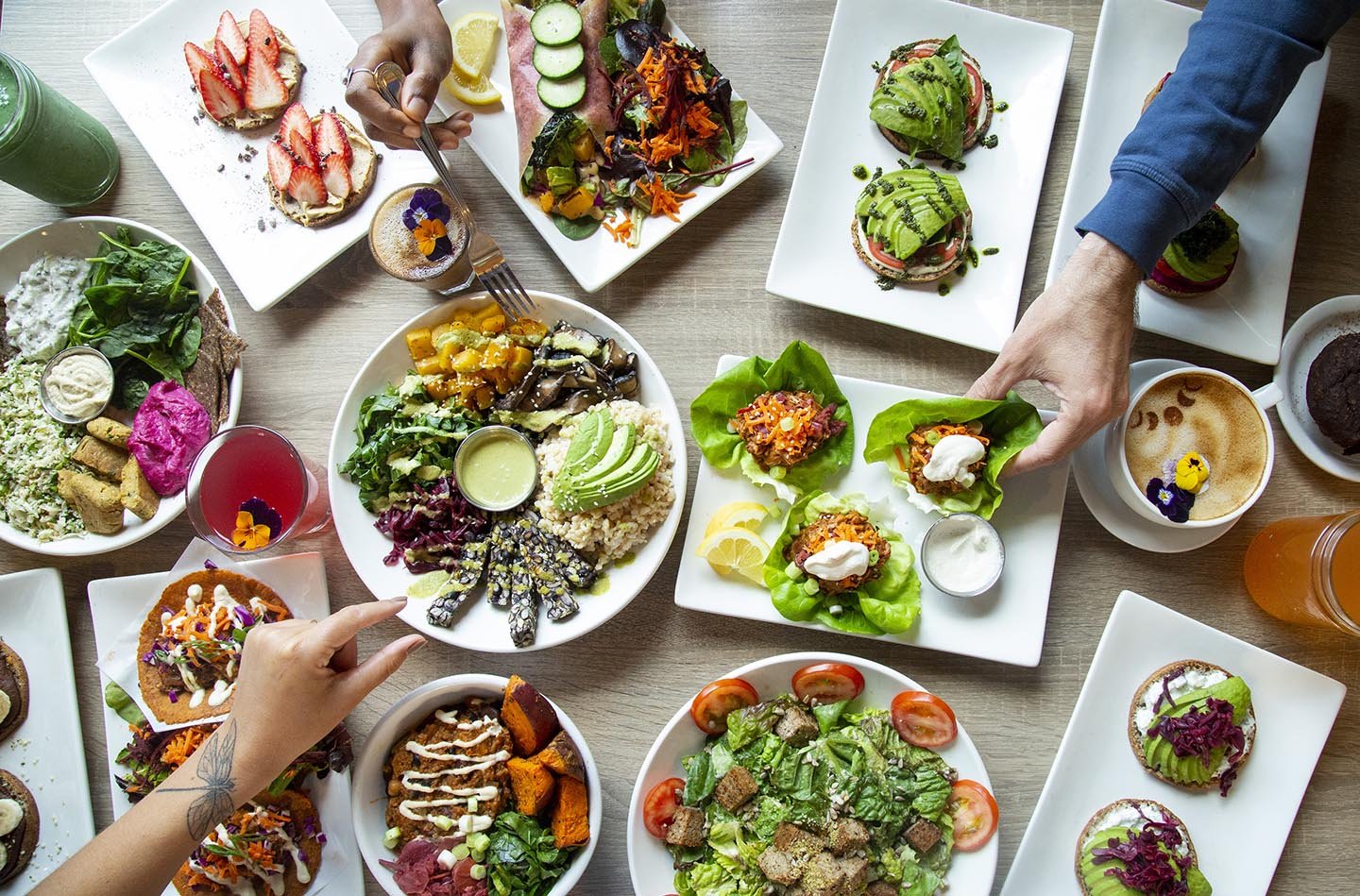 |
| Organic food without the use of GMOs |
Ubud: The Soul Food Capital
- Zest Ubud — Jungle views,
cashew cheese platters, and zero guilt.
- Sari Organik — Dine in the
rice fields. Walk through the farm first.
- Sayuri Healing
Food
— Raw, living food that actually makes you feel alive.
Canggu: Cool Kids & Conscious Bowls
- The Shady Shack — Vegan comfort
food that doesn’t skimp on flavor.
- Nalu Bowls —
Instagram-famous acai bowls that taste even better than they look.
- Kynd Community — Smoothie art
+ jackfruit tacos + good vibes only.
Seminyak: Chic, Sustainable &
Sophisticated
- Earth Café — Organic fine
dining without the pretension.
- Peloton
Supershop
— Plant-based brunch + bike shop + zero-waste store. Yes, really.
- Moksa — Permaculture
garden on site. Eat what they grow — literally.
Sanur & Beyond: Hidden Gems
- Warung Bambu — Local prices,
organic ingredients, beachside seating.
- Secret Spot (Sidemen) —
Remote, rice-field views, 100% hyperlocal.
- Aman’s Warung (Amed) — Simple,
fresh, and run by a Balinese grandma.
What to Order: 5 Must-Try Balinese
Plant-Based Dishes
- Jackfruit
Rendang
— Slow-cooked, spicy, meaty texture without the meat.
- Gado-Gado —
Peanut-sauce-drenched veggie salad. Ask for “pedas” if you dare.
- Nasi Campur
Vegan
— Rice with 5+ sides: tempeh, tofu, urap, sambal, more.
- Lawar Vegetarian — Traditional
mix of young jackfruit, coconut, and spices.
- Es Campur — Shaved ice,
coconut milk, tropical fruits, and palm sugar. Dessert heaven.
|
Pro Tip: Say “tanpa daging, tanpa ikan, vegan” — it
means “no meat, no fish, vegan.” Most places will happily adapt |
How to Spot a Truly Sustainable
Restaurant (Not Just Good Marketing)
Greenwashing
is real. Here’s how to tell who’s legit:
- Ask where
ingredients come from. Real places will name the farm or
village.
- Look for compost
bins or reusable containers. Action > words.
- Check the menu
for seasonal items. If they serve strawberries in
July? Suspicious.
- See staff uniforms
or names on the wall. Local hiring = community impact.
- Notice the
packaging.
Banana leaf > plastic. Always.
The Ripple Effect: How Your Meal
Changes More Than Your Mood
When
you choose a conscious cafe, you’re voting with your wallet — and the impact
goes far beyond your plate.
- Farmers thrive. Steady demand =
fair prices = families stay on ancestral land.
- Waste shrinks. Compost feeds
gardens. Biogas powers kitchens.
- Culture lives. Recipes passed
down for generations don’t disappear.
- Tourism
transforms.
Bali becomes a model for regenerative travel — not just another
overtouristed hotspot.
|
Real Story: At Parwa Community Restaurant in Peru (a model Bali’s
following), 100% of profits fund youth education. Imagine that — your lunch
pays for a kid’s schoolbooks. |
Quick Guide: Your Bali Green Dining
Cheat Sheet
- Start in Ubud or
Canggu
— highest concentration of eco-eateries.
- Try one local
warung per day
— balance fancy cafes with authentic street eats.
- Carry a reusable
bottle + utensils — say no to plastic with
confidence.
- Order “pedas
sedang”
— medium spicy. Unless you’re brave.
- Tip in cash,
directly to staff — ensures it goes to the people
who served you.
- Visit off-season
(Jan-Mar, Sep-Nov) — less crowded, more meaningful
connections.
- Ask questions — “Siapa petani sayurnya?” (Who’s the farmer?) — they’ll love you for it.
 |
| Bali cheat sheet will change your mind |
The Future of Food in Bali (And Why
It’s Exciting)
Bali’s
not slowing down — it’s leveling up.
- Farm-to-table is
becoming farm-to-you. Some places let you pick your own
salad.
- Solar-powered
kitchens
are popping up — no more diesel generators.
- QR code menus show you the
carbon footprint of each dish.
- Black soldier
fly composting
turns food scraps into protein for chickens.
- 3D food printing? Maybe not yet
— but chefs are reviving ancient recipes with modern tech.
The
goal? Regenerative dining — where every meal leaves Bali better than
before.
Final Bite: Eat Well, Travel Better
Bali
doesn’t need you to be perfect. It just needs you to be present — and
intentional.
Order
the jackfruit. Skip the plastic. Tip the cook. Smile at the farmer.
Because
the most memorable meals aren’t just about taste — they’re about connection. To
the land. To the people. To the moment.
And
when you eat like that? You’re not just a tourist.
You’re
a guest. A partner. A protector.
So
go ahead — dig in. The island is waiting.
 |
| Restaurants growing their own produce |
Traveler’s Green Dining Toolkit — Bali
Edition
- Must-Download
App:
HappyCow — Find vegan/veg spots anywhere in Bali.
- Must-Pack Item: Collapsible
silicone bowl + bamboo spork (light, leakproof, lifesaver).
- Must-Ask Phrase: “Apakah ini
dibuat dari bahan lokal?” (“Is this made from local ingredients?”)
- Must-Try
Experience:
Join a farm tour + cooking class — Sari Organik (Ubud) or Bali Buda
(multiple locations).
- Must-Avoid: Buffets with
plastic plates. Opt for “closed buffet” or à la carte.
- Must-Share: Snap a pic, tag
the restaurant, and use #EatBaliGreen — help others find the good stuff.
Start
small. Eat local. Leave light.
Your
taste buds — and Bali — will thank you.



0 Comments:
Post a Comment